


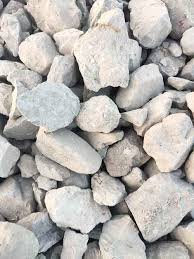
A Complete Guide by Green Trade India
As industries worldwide move toward sustainable materials and environmentally responsible practices, natural minerals are gaining significant attention. One such versatile and eco-friendly material is calcium bentonite, a naturally occurring clay known for its high absorption, swelling, and binding capabilities.
At Green Trade India, we provide high-quality calcium bentonite lumps that support sustainable industrial operations, agriculture, environmental protection, and infrastructure development.
Because calcium bentonite is formed from natural volcanic ash deposits and requires minimal chemical processing, it is widely considered an eco-friendly alternative to synthetic industrial materials. Its natural composition, durability, and multi-industry applications make it an essential resource for organizations committed to sustainable growth.
What is Calcium Bentonite?
Calcium bentonite is a natural clay mineral formed from the alteration of volcanic ash over millions of years. It contains high levels of montmorillonite, a mineral responsible for its exceptional absorption and swelling properties.
- Naturally occurring
- Non-toxic and biodegradable
- Highly absorbent
- Chemically stable
- Environmentally safe
These characteristics make calcium bentonite an ideal material for sustainable agriculture, pollution control, water treatment, construction, and industrial processes.
Quick Answer: What Are the Sustainable Uses of Calcium Bentonite Lumps?
Calcium bentonite lumps are used in agriculture, environmental protection, construction, drilling, and manufacturing due to their natural absorption, swelling, and binding properties. These eco-friendly clay minerals improve soil health, water retention, waste containment, and industrial efficiency while reducing dependence on synthetic chemicals.
Key Environmental Benefits of Calcium Bentonite
1. Improves Soil Structure
It enhances soil aeration and nutrient retention, improving long-term soil fertility.
2. Enhances Water Retention
Farm soils treated with bentonite hold moisture longer, reducing irrigation requirements.
3. Absorbs Contaminants
Calcium bentonite can trap toxins, heavy metals, and impurities in soil and water.
4. Supports Waste Management
It is widely used in landfill liners to prevent contamination of groundwater.
5. Reduces Chemical Dependency
Industries can replace synthetic sealing agents and additives with natural bentonite.
Sustainable Uses of Calcium Bentonite Lumps in Agriculture
Soil Conditioning
Calcium bentonite improves soil structure by increasing the soil's ability to retain nutrients and moisture. This leads to healthier crops and improved agricultural productivity.
Water Retention Improvement
The mineral's swelling capacity allows it to hold water within the soil structure. This is particularly beneficial in dry or drought-prone regions.
Nutrient Retention
Calcium bentonite reduces nutrient leaching by binding essential minerals in the soil, making them available to plants for longer periods.
Organic Farming Support
Since calcium bentonite is a natural mineral without harmful chemical additives, it is widely used in organic and eco-friendly farming systems.
Environmental Applications and Pollution Control
Waste Containment Systems
Bentonite clay is commonly used in landfill liners and waste containment barriers to prevent toxic substances from entering groundwater.
Water Purification
Its absorption properties allow it to remove impurities, heavy metals, and organic pollutants from water systems.
Groundwater Protection
Calcium bentonite forms impermeable barriers that help protect groundwater from contamination caused by industrial waste or landfill leakage.
Oil and Chemical Spill Control
The clay can absorb oils and chemical residues, making it useful in environmental cleanup operations.
Industrial and Construction Applications
Drilling Fluids
In oil and gas exploration, bentonite is used as a drilling fluid to stabilize boreholes and remove drill cuttings.
Foundry Applications
In metal casting industries, calcium bentonite acts as a binding agent in foundry molds, ensuring strong mold structures and smooth casting surfaces.
Soil Stabilization
Construction projects use bentonite to stabilize weak soils and improve foundation strength.
Infrastructure Sealing
Its natural swelling properties help seal underground structures, preventing water infiltration and soil erosion.
Industries That Use Calcium Bentonite
- Agriculture: Soil conditioning, moisture retention, organic farming support
- Environmental Engineering: Landfill liners, waste containment, water purification systems
- Construction: Soil stabilization, foundation sealing, underground barriers
- Industrial Manufacturing: Foundry molds, drilling fluids, natural binding agents
Why Choose Green Trade India for Calcium Bentonite Lumps?
- Ethically sourced natural minerals
- Strict quality control processes
- Reliable bulk supply capability
- Eco-friendly processing methods
- Support for sustainable industrial solutions
Conclusion
Calcium bentonite lumps are a highly versatile and environmentally friendly natural resource with applications across agriculture, environmental engineering, construction, and industrial manufacturing. Their natural absorption properties, low environmental impact, and ability to replace synthetic materials make them an essential component of modern sustainable industries.
Frequently Asked Questions (FAQs)
1. What is calcium bentonite used for?
Calcium bentonite is used in agriculture, environmental protection, drilling, construction, and manufacturing due to its strong absorption and binding properties.
2. Why is calcium bentonite considered eco-friendly?
Calcium bentonite is a naturally occurring mineral clay that requires minimal chemical processing. Its biodegradable and non-toxic nature makes it environmentally safe.
3. How does calcium bentonite improve soil health?
It improves soil structure, moisture retention, and nutrient availability, which enhances crop productivity and long-term soil fertility.
4. Is calcium bentonite suitable for organic farming?
Yes. When responsibly sourced, calcium bentonite is widely used in organic farming systems to improve soil quality without introducing harmful chemicals.