


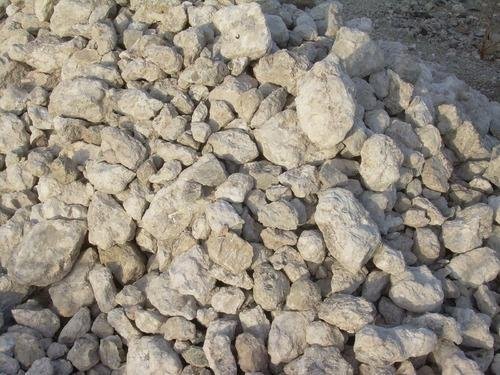
Sodium bentonite lumps are a vital industrial mineral known for their exceptional swelling, sealing, and binding capabilities. Used across drilling, construction, foundry, agriculture, and environmental applications, this natural clay material plays a critical role in many industries.
At Green Trade India, we supply premium-grade sodium bentonite lumps in their natural, unprocessed form, ensuring consistent quality for industrial use. This beginner-friendly guide explains what sodium bentonite lumps are, how they are formed, their key properties, and why they are so widely used.
Sodium Bentonite Lumps at a Glance
| Material Type | Natural industrial clay |
| Primary Mineral | Montmorillonite |
| Form | Unprocessed natural clay lumps |
| Key Feature | High swelling and water absorption |
| Main Uses | Drilling mud, waterproofing, foundry sand binding, sealing |
| Distinct From | Calcium bentonite (low swelling clay) |
What Are Sodium Bentonite Lumps?
Sodium bentonite lumps are naturally mined, sodium-rich bentonite clay pieces that have not yet been processed into powder. They are widely recognized for their ability to absorb water and swell multiple times their original volume, forming an impermeable and highly plastic clay barrier.
The defining feature of sodium bentonite is the dominance of sodium ions within its clay structure. These ions are responsible for the clay's superior swelling, viscosity, and sealing behavior, making it an essential material in industrial and environmental engineering applications.
What Is Bentonite Made Of?
Bentonite is a naturally occurring clay composed primarily of montmorillonite, a mineral formed from volcanic ash. Over thousands to millions of years, volcanic ash undergoes chemical transformation when exposed to water and geological pressure, resulting in bentonite clay deposits.
When sodium is the dominant exchangeable cation within the clay layers, the material is classified as sodium bentonite, which exhibits significantly higher swelling capacity than other bentonite types.
How Are Sodium Bentonite Lumps Formed Naturally?
Sodium bentonite lumps originate from ancient volcanic ash deposits. The formation process includes:
- Deposition of volcanic ash
- Long-term interaction with water
- Chemical alteration under pressure
- Conversion into montmorillonite-rich clay
Once mined, the material is extracted in its natural lump form, preserving its original chemical and physical properties before any processing or grinding takes place.
Key Properties of Sodium Bentonite Clay Lumps
Sodium bentonite lumps are valued for a combination of physical and chemical characteristics that make them highly versatile.
Major Properties:
- High Swelling Capacity: Expands several times when exposed to water
- Excellent Water Absorption: Retains moisture efficiently
- Strong Binding Ability: Acts as an effective natural binder
- High Plasticity & Viscosity: Ideal for drilling and sealing applications
- Cation Exchange Capacity: Enhances performance in industrial processes
These properties allow sodium bentonite to create strong, impermeable clay barriers and stable suspensions.
Why Does Sodium Bentonite Swell When It Comes in Contact with Water?
Sodium bentonite swells because sodium ions between its clay layers attract water molecules, forcing the layers apart and increasing the clay's volume.
When water enters the clay structure, it hydrates the sodium ions, pushing the layers apart and causing rapid expansion. This swelling behavior forms a dense, low-permeability barrier, making sodium bentonite ideal for waterproofing, sealing, and containment applications.
This is the primary characteristic that differentiates sodium bentonite from calcium bentonite.
Sodium Bentonite vs Calcium Bentonite: Quick Comparison
| Feature | Sodium Bentonite | Calcium Bentonite |
|---|---|---|
| Swelling Capacity | Very High | Low |
| Water Absorption | Excellent | Moderate |
| Sealing Ability | Strong | Limited |
| Industrial Use | Drilling, waterproofing | Absorbents, cosmetics |
| Clay Barrier Formation | Yes | No |
Common Uses of Sodium Bentonite Lumps in Industry
Understanding what sodium bentonite lumps are becomes clearer when examining their real-world applications.
Major Industrial Uses:
- Oil & Gas Industry: Drilling mud for borehole stabilization
- Construction: Waterproofing foundations, tunnels, basements
- Foundries: Binder for molding sand
- Agriculture: Soil conditioning and moisture retention
- Environmental Engineering: Landfill sealing and waste containment
Because of their reliability and strong swelling behavior, sodium bentonite lumps remain a preferred choice for industries that require effective sealing and binding solutions.
Who Should Use Sodium Bentonite Lumps?
Sodium bentonite lumps are ideal for:
- Drilling contractors
- Construction and waterproofing companies
- Foundry operators
- Environmental engineers
- Agricultural soil management professionals
Conclusion
Sodium bentonite lumps are a powerful natural industrial clay valued for their swelling, sealing, and binding capabilities. Their unique ability to absorb water and form impermeable barriers makes them indispensable across drilling, construction, environmental, and agricultural industries.
Choosing high-quality sodium bentonite lumps ensures consistent performance, reliability, and long-term effectiveness in demanding industrial applications.
Our Popular Products
Kaolin Clay | Kaolin Powder | Kaolin Noodles | Kaolin Granules | Sodium Bentonite Lumps | Calcium Bentonite Lumps
Frequently Asked Questions (FAQs)
1. What are sodium bentonite lumps?
Sodium bentonite lumps are unprocessed, naturally mined sodium-rich bentonite clay pieces known for high swelling and binding capacity.
2. How are sodium bentonite lumps formed naturally?
They are formed from volcanic ash through long-term chemical transformation involving water and geological pressure.
3. What are the main properties of sodium bentonite lumps?
Key properties include high swelling ability, excellent water absorption, plasticity, viscosity, and strong binding strength.
4. Why does sodium bentonite swell when exposed to water?
Water molecules hydrate sodium ions between clay layers, causing the layers to separate and the clay to expand.
5. What are the common uses of sodium bentonite lumps?
They are used in drilling mud, waterproofing, foundry moulding sand, agriculture, and environmental sealing systems.