


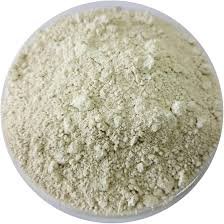
Kaolin clay is primarily made of kaolinite, a naturally occurring white clay mineral composed of hydrated aluminum silicate. Its standard chemical formula is Al₂Si₂O₅(OH)₄. Depending on the deposit, kaolin clay may also contain small amounts of quartz, mica, and feldspar, which can affect its whiteness, particle size, plasticity, and industrial performance.
Kaolin is one of the most widely used industrial minerals because of its purity, fine particle size, chemical stability, softness, and bright white color. It is used across industries such as ceramics, paper, paints, rubber, plastics, cosmetics, adhesives, and construction materials. For manufacturers, understanding what kaolin clay is made of is essential because its composition directly influences product quality, processing performance, and end-use suitability.
At Green Trade India, we understand that the quality of kaolin begins with its mineral composition. That is why we focus on supplying high-grade kaolin with consistent purity, reliable particle characteristics, and dependable performance for a wide range of industrial applications.
What Is Kaolin Clay Made Of?
Kaolin clay is mainly made of kaolinite, a natural clay mineral formed over thousands of years through the weathering of feldspar-rich rocks. In simple terms, kaolin is a soft white clay composed largely of hydrated aluminum silicate, along with small amounts of naturally occurring minerals such as quartz, mica, and feldspar.
The exact composition of kaolin clay can vary depending on the source of the deposit, but high-quality industrial kaolin generally contains a high percentage of kaolinite and low levels of impurities. This is what gives kaolin its key properties, including:
- High whiteness and brightness
- Fine and smooth texture
- Low abrasiveness
- Good chemical stability
- Heat resistance
- Excellent suitability as a filler and coating mineral
Because of these properties, kaolin clay is widely valued in industries that require clean, fine, and stable mineral raw materials.
Kaolin Clay Composition at a Glance
Here is a simple breakdown of the typical kaolin clay composition:
| Component | Description |
|---|---|
| Primary mineral | Kaolinite |
| Chemical type | Hydrated aluminum silicate |
| Chemical formula | Al₂Si₂O₅(OH)₄ |
| Main elements | Aluminum, silicon, oxygen, and hydrogen |
| Secondary minerals | Quartz, mica, feldspar |
| Typical color | White to off-white |
| Source | Naturally weathered feldspar-rich rocks |
| Common industrial uses | Ceramics, paper, paints, rubber, plastics, cosmetics |
This composition is what makes kaolin one of the most versatile non-metallic minerals used in industrial manufacturing.
Kaolin Clay Composition: The Foundation of Its Performance
The composition of kaolin clay is the main reason behind its industrial value. Kaolin is predominantly composed of kaolinite, a layered silicate mineral known for its fine particle size, softness, whiteness, and stable chemical nature. Unlike many other industrial minerals, kaolin is valued not only for its mineral purity but also for the way its structure improves product performance in downstream manufacturing.
The quality of kaolin clay depends on factors such as:
- Percentage of kaolinite present
- Amount of quartz, mica, and feldspar in the deposit
- Brightness and whiteness level
- Particle size distribution
- Moisture content and plasticity
- Presence of iron or other coloring impurities
A kaolin deposit with high kaolinite content and low contamination is generally preferred for high-performance applications such as ceramic bodies, paper coating, premium paint formulations, rubber compounds, and cosmetic-grade products.
At Green Trade India, we place strong emphasis on sourcing kaolin with consistent composition so manufacturers receive a material that performs reliably across different production cycles.
Kaolin Clay Ingredients That Make It Unique
When people ask about kaolin clay ingredients, they are usually referring to the natural mineral substances that make up kaolin. Unlike synthetic fillers or chemically manufactured compounds, kaolin is a naturally occurring mineral clay.
The main ingredient in kaolin clay is kaolinite, which is chemically classified as hydrated aluminum silicate. Alongside kaolinite, kaolin may contain small amounts of:
- Quartz – can affect hardness and abrasiveness
- Mica – may influence texture and processing characteristics
- Feldspar – often associated with the original parent rock from which kaolin forms
These naturally occurring ingredients are responsible for the characteristics that make kaolin useful in manufacturing, including:
- Softness and smooth texture
- Low shrinkage in certain ceramic applications
- Bright white color in refined grades
- Good suspension and coating behavior
- Chemical inertness in many industrial systems
Because kaolin is natural, the exact ingredient balance can vary from one mine or deposit to another. This is why sourcing from a trusted supplier matters when product consistency is important.
Kaolin Clay Chemical Composition
The chemical composition of kaolin clay is primarily hydrated aluminum silicate. The ideal chemical formula of kaolinite, the principal mineral in kaolin clay, is:
Al₂Si₂O₅(OH)₄
This formula represents a clay mineral composed mainly of:
- Aluminum oxide
- Silica
- Hydroxyl groups
- Bound water in mineral form
In industrial terms, this chemical structure is important because it gives kaolin several useful properties, such as:
- High chemical stability
- Low reactivity in many formulations
- Good heat resistance
- Whiteness and opacity in coatings and fillers
- Suitability for ceramic processing and calcination
The kaolin clay chemical composition is one of the key reasons it is used as a filler, coating agent, extender, and functional mineral across a wide range of products. At Green Trade India, kaolin quality is assessed carefully to ensure it meets the composition and performance expectations of industrial buyers.
Kaolin Clay Mineral Composition
The mineral composition of kaolin clay refers to the specific minerals present in the clay deposit. In most cases, kaolin contains:
- Kaolinite – the main and most valuable mineral
- Quartz – often present in small amounts depending on the deposit
- Mica – may occur naturally in some sources
- Feldspar – may remain as a residual mineral from the parent rock
The proportion of these minerals matters because it affects how the kaolin behaves in processing and final applications. For example:
- Higher kaolinite content generally improves brightness, plasticity, and coating quality
- Excess quartz can increase abrasiveness
- Certain impurities can reduce whiteness or alter firing behavior
- Mineral balance can influence particle shape, dispersion, and end-product smoothness
This is why kaolin clay mineral composition is not just a technical detail—it directly impacts product quality, cost efficiency, and manufacturing performance.
How Is Kaolin Clay Formed?
Kaolin clay forms naturally through the long-term weathering and decomposition of feldspar-rich rocks, especially granite and other aluminosilicate rocks. Over thousands of years, exposure to water, temperature changes, and natural chemical processes gradually transforms these rocks into fine clay deposits rich in kaolinite.
The kaolin formation process typically involves:
- Weathering of feldspar-bearing rocks
- Breakdown of original minerals through water and chemical action
- Formation of kaolinite-rich clay deposits
- Natural concentration of fine white clay particles over time
The final characteristics of the kaolin deposit depend on the geology of the region, the parent rock composition, and the environmental conditions under which the clay formed. This is why kaolin from different sources may vary slightly in color, purity, mineral balance, and industrial suitability.
Why Kaolin Clay Composition Matters in Industrial Applications?
Understanding what kaolin clay is made of is not just useful from a scientific perspective—it is essential for selecting the right raw material for industrial production.
The composition of kaolin clay influences:
1. Brightness and Whiteness
Industries such as paper, ceramics, and paints often require kaolin with high brightness and low contamination. A purer kaolinite-rich composition usually delivers better visual results.
2. Plasticity and Workability
In ceramic manufacturing, the mineral balance of kaolin affects molding behavior, shaping performance, and firing characteristics.
3. Particle Size and Smoothness
Fine particle size is important for applications such as paper coating, paints, rubber, and cosmetic formulations, where surface finish and texture matter.
4. Chemical Stability
Kaolin’s hydrated aluminum silicate structure gives it strong chemical stability, making it suitable for use in a wide range of industrial systems.
5. Heat Resistance
Kaolin performs well under elevated temperatures, which makes it especially valuable in ceramics, refractories, and thermal processing applications.
For manufacturers, the right kaolin composition can improve process efficiency, product consistency, and overall quality.
Industrial Uses of Kaolin Clay
Because of its composition and mineral properties, kaolin clay is used in a wide range of industries. Below are some of the most common applications.
Kaolin is widely used in ceramic bodies, sanitaryware, tiles, porcelain, and tableware. It improves plasticity, whiteness, shape retention, and fired strength.
In the paper industry, kaolin is used as a filler and coating pigment. It helps improve brightness, printability, opacity, and smoothness.
Kaolin is used in paints to improve suspension, finish, coverage, and surface smoothness. It also acts as an extender and functional mineral filler.
In rubber and plastic products, kaolin is used as a reinforcing filler that can improve surface finish, stiffness, dimensional stability, and processing behavior.
Kaolin in Cosmetics and Personal Care
Refined kaolin is used in face masks, powders, soaps, and skincare products because of its soft texture, absorbent nature, and mildness.
Kaolin in Adhesives, Sealants, and Construction Materials
Kaolin is also used in adhesives, putties, sealants, and construction formulations where it can support texture control, filler performance, and consistency.
What Is Kaolin Made Of and Why Does It Matter for Buyers?
If you are a manufacturer, trader, or industrial buyer, knowing what kaolin is made of helps you choose the right grade for your application. Two kaolin products may look similar, but differences in mineral composition, brightness, impurity level, particle size, and moisture can significantly affect how they perform in production.
Choosing the right kaolin can influence:
- Product quality and finish
- Processing speed and efficiency
- Coating and filler performance
- Firing behavior in ceramic applications
- Whiteness and appearance of finished goods
- Consistency across production batches
This is why businesses should always source kaolin from a supplier that understands industrial quality requirements and can provide consistent material specifications.
At Green Trade India, we work to supply dependable kaolin for industrial applications where consistency, purity, and performance matter.
How to Choose High-Quality Kaolin Clay
When sourcing kaolin for industrial use, consider the following factors:
- Kaolinite content and overall mineral composition
- Brightness and whiteness level
- Particle size distribution
- Moisture and plasticity characteristics
- Impurity levels, including iron and abrasive minerals
- Suitability for the intended application
- Supplier consistency and quality control practices
A reliable kaolin supplier should be able to support your business with consistent quality, dependable supply, and material suited to your end use—whether that is ceramics, paper, paints, rubber, plastics, cosmetics, or other industrial processes.
Why Businesses Choose Green Trade India for Kaolin Supply?
At Green Trade India, we understand that kaolin is not just a commodity—it is a performance-critical raw material. Our focus is on supplying kaolin that supports industrial quality, consistency, and reliable production outcomes.
We work to deliver kaolin suitable for a variety of industrial sectors by prioritizing:
- Consistent raw material sourcing
- Quality-focused processing and handling
- Reliable mineral composition and performance
- Industrial-grade supply for multiple applications
- A customer-focused approach for bulk and recurring requirements
Whether you need kaolin for ceramics, paper, paints, rubber, plastics, or other manufacturing applications, choosing a dependable supplier can make a measurable difference to your process and product quality.
Conclusion
So, what is kaolin clay made of? Kaolin clay is primarily made of kaolinite, a natural white clay mineral composed of hydrated aluminum silicate with the formula Al₂Si₂O₅(OH)₄. It may also contain small amounts of quartz, mica, and feldspar, depending on the geological deposit from which it is sourced.
This combination of minerals gives kaolin its most valuable industrial properties, including whiteness, fine particle size, chemical stability, softness, heat resistance, and versatility. These characteristics make kaolin an essential raw material in industries such as ceramics, paper, paints, rubber, plastics, cosmetics, and construction materials.
For manufacturers and industrial buyers, understanding kaolin clay composition, kaolin clay ingredients, kaolin clay chemical composition, and kaolin clay mineral composition is key to choosing the right material for the job. At Green Trade India, we are committed to supplying high-quality kaolin that meets the demands of modern industrial applications with consistency, reliability, and confidence.
Frequently Asked Questions About Kaolin Clay
1. What is kaolin clay made of?
Kaolin clay is mainly made of kaolinite, a natural mineral composed of hydrated aluminum silicate. It may also contain smaller amounts of quartz, mica, and feldspar depending on the deposit.
2. What is the chemical composition of kaolin clay?
The chemical composition of kaolin clay is primarily hydrated aluminum silicate. The standard chemical formula of kaolinite is Al₂Si₂O₅(OH)₄.
3. Is kaolin clay natural or synthetic?
Kaolin clay is a naturally occurring mineral clay. It forms naturally over long periods through the weathering of feldspar-rich rocks.
4. Where does kaolin clay come from?
Kaolin clay comes from natural clay deposits formed by the weathering and decomposition of feldspar-rich rocks over thousands of years.
5. How is kaolin clay formed?
Kaolin clay forms when feldspar-bearing rocks break down through weathering, water exposure, and natural chemical processes, eventually creating kaolinite-rich clay deposits.
6. What minerals are found in kaolin clay?
Kaolin clay mainly contains kaolinite. It can also include quartz, mica, and feldspar in smaller amounts depending on the source.
7. Why is kaolin clay used in industry?
Kaolin clay is used in industry because it offers whiteness, fine particle size, chemical stability, softness, low abrasiveness, and good heat resistance, making it useful in ceramics, paper, paints, rubber, plastics, and cosmetics.
8. Is kaolin the same as china clay?
Yes, kaolin and china clay are often used interchangeably in industrial and commercial contexts, although grades and specifications may vary depending on the application.
9. Why does kaolin clay composition matter?
Kaolin clay composition affects brightness, purity, particle size, plasticity, heat resistance, and overall industrial performance. These factors determine how suitable the material is for different applications.
10. How do I choose the right kaolin clay supplier?
Choose a supplier that offers consistent quality, reliable mineral composition, application suitability, dependable supply, and a strong understanding of industrial raw material requirements.