


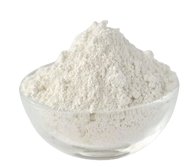
What Are Kaolin Granules?
Kaolin granules are high-purity industrial mineral products manufactured from refined kaolin clay, a naturally occurring hydrated aluminum silicate mineral. Known for their exceptional whiteness, chemical stability, low abrasiveness, and controlled particle size, kaolin granules are widely used across manufacturing industries to improve product quality, processing efficiency, and overall performance.
Unlike conventional kaolin powder, granulated kaolin offers superior flow characteristics, easier handling, reduced dust generation, and greater consistency during industrial processing. These advantages make kaolin granules a preferred choice for large-scale manufacturing operations where precision and reliability are critical.
Today, industries ranging from ceramics and paper manufacturing to paints, plastics, construction materials, agriculture, and environmental treatment depend on kaolin granules for their unique functional properties.
Quick Answer: What Are Kaolin Granules Used For?
Kaolin granules are used in ceramics, paper manufacturing, paints and coatings, plastics, rubber products, construction materials, pharmaceuticals, cosmetics, agriculture, water treatment, and environmental applications. Their primary role is to enhance strength, brightness, durability, processing efficiency, surface quality, and product performance across a wide range of industrial applications.
Why Kaolin Granules Are Important in Modern Manufacturing?
Manufacturers worldwide rely on kaolin-based materials because they provide a unique combination of physical and chemical advantages.
Key Properties of Kaolin Granules
- High brightness and natural whiteness
- Excellent chemical stability
- Controlled particle size distribution
- Low iron and impurity content
- High alumina concentration
- Excellent thermal resistance
- Low abrasiveness
- Good dispersion characteristics
- Moisture absorption capability
- Enhanced flow properties
- Reduced dust generation during handling
These characteristics allow kaolin granules to perform effectively as fillers, extenders, coating materials, reinforcing agents, absorbents, and processing aids in numerous industrial sectors.
Top 7 Industrial Applications of Kaolin Granules
1. Kaolin Granules in Ceramics and Porcelain Manufacturing
The ceramics industry is one of the largest consumers of kaolin materials worldwide. Kaolin granules serve as a critical raw material in the production of porcelain tiles, ceramic tiles, sanitary ware, ceramic tableware, electrical insulators, refractory products, and industrial ceramics.
Benefits in Ceramic Production
- Improves plasticity during molding and shaping
- Enhances whiteness after firing
- Increases mechanical strength
- Improves thermal stability
- Maintains shape integrity during firing
- Produces smoother ceramic surfaces
Because of these characteristics, kaolin plays a fundamental role in producing durable, high-quality ceramic products used in residential, commercial, and industrial applications.
2. Kaolin Granules in Paper Manufacturing
Paper manufacturers use kaolin as both a filler and coating material to improve the appearance and printability of paper products including printing paper, packaging paper, coated paper, magazine paper, premium writing paper, and specialty paper products.
Benefits for Paper Production
- Improves paper brightness
- Enhances whiteness
- Creates smoother surfaces
- Improves print clarity
- Supports better ink retention
- Increases opacity
- Enhances paper quality
The use of kaolin helps manufacturers produce high-quality paper with superior visual appeal and printing performance.
3. Kaolin Granules in Paints and Coatings
Kaolin is widely utilized as a functional filler in paint and coating formulations. Its fine mineral structure contributes to improved performance while reducing formulation costs. Common applications include decorative paints, industrial coatings, architectural coatings, protective coatings, powder coatings, and marine coatings.
Benefits in Paint Formulations
- Improves opacity and coverage
- Enhances coating durability
- Improves suspension stability
- Reduces pigment requirements
- Provides smoother surface finishes
- Improves scrub resistance
- Enhances weather resistance
These benefits make kaolin a valuable component in modern coating technologies.
4. Kaolin Granules in Rubber and Plastic Industries
Manufacturers use kaolin as a reinforcing and extending filler in polymer applications including automotive components, consumer goods, electrical housings, packaging materials, injection molded products, and cable insulation systems. In rubber, it is used in tires, seals, hoses, conveyor belts, gaskets, and industrial rubber goods.
Performance Advantages
- Improves dimensional stability
- Increases mechanical strength
- Enhances abrasion resistance
- Improves impact resistance
- Reduces material costs
- Extends product lifespan
Kaolin helps manufacturers create stronger and more durable polymer-based products.
5. Kaolin Granules in Construction Materials
The construction industry increasingly uses kaolin-based materials in cement additives, tile adhesives, construction chemicals, grouts, sealants, waterproofing compounds, and decorative coatings.
Benefits for Construction Products
- Improves binding strength
- Enhances durability
- Increases chemical resistance
- Improves workability
- Enhances surface finish
- Supports long-term structural performance
These characteristics contribute to higher-quality building materials and improved construction outcomes.
6. Kaolin Granules in Pharmaceuticals and Cosmetics
Highly refined kaolin is widely used in healthcare and personal care formulations due to its absorbent and gentle mineral properties. Pharmaceutical applications include topical medicinal formulations, absorbent preparations, stabilizing agents, and specialty healthcare products. Cosmetic applications include face masks, skincare formulations, body powders, beauty products, and cleansing treatments.
Functional Benefits
- Absorbs excess oils
- Improves product texture
- Enhances formulation stability
- Provides smooth application
- Supports product consistency
Its natural mineral composition makes it a valuable ingredient in premium cosmetic and pharmaceutical products.
7. Kaolin Granules in Agriculture and Environmental Applications
Kaolin-based materials are increasingly used in sustainable agricultural and environmental solutions including crop protection sprays, plant surface coatings, soil conditioning, pest deterrent treatments, water treatment systems, industrial filtration, wastewater treatment, and environmental remediation projects.
Key Benefits
- Supports crop protection
- Improves soil performance
- Assists filtration processes
- Enhances water purification
- Supports sustainable environmental practices
These applications continue to expand as industries seek environmentally responsible solutions.
Kaolin Granules vs Kaolin Powder
Choosing the right form of kaolin depends on the manufacturing process and application requirements.
| Feature | Kaolin Granules | Kaolin Powder |
|---|---|---|
| Dust Formation | Low | High |
| Material Handling | Easier | More Challenging |
| Flow Characteristics | Excellent | Moderate |
| Bulk Processing | Highly Suitable | Limited |
| Workplace Cleanliness | Better | Lower |
| Storage Efficiency | High | Moderate |
| Industrial Automation | Excellent | Moderate |
For large-scale industrial operations, granulated kaolin often provides superior operational efficiency and handling advantages.
Why Industries Prefer Kaolin Granules?
Manufacturers increasingly choose granulated kaolin because it helps optimize production processes.
Key Advantages
- Reduced airborne dust
- Improved worker safety
- Better material flow
- Consistent product quality
- Lower material waste
- Enhanced process control
- Improved storage and transportation efficiency
- Greater suitability for automated manufacturing systems
These benefits contribute directly to operational efficiency and product consistency.
Related Industrial Minerals Often Used with Kaolin
Kaolin is frequently combined with other industrial minerals depending on the application. Common companion minerals include Calcined Kaolin, Bentonite, Talc, Feldspar, Silica, Ball Clay, Calcium Carbonate, Quartz, and Dolomite. Together, these minerals help manufacturers achieve specific physical, chemical, and performance requirements.
Why Choose Green Trade India for Kaolin Granules?
Green Trade India supplies high-quality industrial minerals designed to meet the demands of modern manufacturing industries. Our focus on quality assurance, reliable sourcing, and technical expertise enables us to provide mineral solutions that support consistent production performance.
What Sets Us Apart?
- Consistent product quality
- Reliable raw material sourcing
- Industry-focused expertise
- Customized mineral solutions
- Competitive pricing
- Strong logistics support
- Timely deliveries
- Dedicated customer assistance
We work closely with manufacturers to ensure that our kaolin products meet the performance standards required across diverse industrial sectors.
Key Takeaways
Kaolin granules are among the most versatile industrial minerals used today. Their unique combination of whiteness, chemical stability, thermal resistance, and handling efficiency makes them essential across ceramics, paper manufacturing, paints, coatings, plastics, rubber, construction materials, cosmetics, pharmaceuticals, agriculture, and environmental applications. As industries continue to demand higher-quality materials and more efficient manufacturing processes, the importance of kaolin granules is expected to grow significantly in the coming years.
Frequently Asked Questions (FAQs)
1. What are kaolin granules used for?
Kaolin granules are used in ceramics, paper manufacturing, paints, coatings, plastics, rubber products, construction materials, pharmaceuticals, cosmetics, agriculture, filtration systems, and environmental treatment applications.
2. How are kaolin granules different from kaolin powder?
Kaolin granules have larger structured particles that provide better flowability, easier handling, and reduced dust generation. Kaolin powder is finer and is generally used where ultra-fine dispersion is required.
3. Why is kaolin important in ceramics?
Kaolin improves plasticity, whiteness, firing strength, and dimensional stability, making it a critical raw material in ceramic and porcelain manufacturing.
4. How does kaolin improve paper quality?
Kaolin enhances paper brightness, smoothness, opacity, printability, and ink absorption, resulting in higher-quality paper products.
5. Is kaolin used in paint manufacturing?
Yes. Kaolin functions as a filler and performance enhancer that improves opacity, durability, suspension stability, and surface finish in paints and coatings.
6. Are kaolin granules environmentally friendly?
Kaolin is a naturally occurring mineral. When responsibly sourced and processed, it is considered a safe and sustainable material for many industrial and agricultural applications.
7. What industries consume the most kaolin?
The largest consumers of kaolin include ceramics, paper manufacturing, paints and coatings, plastics, rubber, construction materials, agriculture, cosmetics, and environmental treatment industries.
8. Can kaolin granules improve product durability?
Yes. Kaolin helps improve strength, abrasion resistance, dimensional stability, and long-term durability in ceramics, plastics, rubber products, coatings, and construction materials.